
How Messaging Apps Collect Your Data: What You Need to Know
Messaging apps have become an essential part of our daily communication, connecting us with friends, family, and colleagues worldwide. But while these apps offer convenience and instant messaging, many users are unaware of how their personal data is collected and used behind the scenes. In this article, we'll explore the practical ways messaging apps gather your data, why they do it, and how you can protect your privacy.
Understanding What Data Messaging Apps Collect
Messaging apps collect a wide range of information to operate, improve services, and sometimes monetize user activity. Here are some common types of data collected:
- Contact Lists: Many apps request access to your phone’s contacts to help you connect with friends who are also using the app.
- Message Content: Some apps scan or store your messages, either temporarily or permanently, to provide features like search, spam filtering, or targeted ads.
- Metadata: This includes data about your messages — timestamps, sender and receiver info, message sizes, and frequency of communication. Even without message content, metadata can reveal a lot about your habits and relationships.
- Device Information: Details about your device type, operating system, IP address, and location can be collected.
- Usage Patterns: How often you use the app, which features you engage with, and your interaction times.
How Messaging Apps Collect Your Data: Step by Step
Here’s a practical look at the typical process apps use to gather your data:
- Requesting Permissions: When you install a messaging app, it often asks for permissions such as access to contacts, microphone, camera, and storage. Granting these permissions allows the app to collect corresponding data.
- Syncing Contacts: Once access is granted, the app syncs your contact list to identify which friends are already using the app and to suggest new connections.
- Sending and Receiving Messages: Messages you send and receive may pass through the app’s servers. Depending on the app’s privacy design, messages could be encrypted end-to-end or stored temporarily to enable features like multi-device syncing.
- Gathering Metadata: Even if messages are encrypted, the app’s servers often log metadata to manage message delivery and analyze usage.
- Collecting Device Data: The app may collect background data like device type, IP addresses, and location to optimize performance and serve relevant ads or content.
- Data Sharing and Monetization: Some apps share collected data with third parties such as advertisers or analytics services, sometimes anonymized but still potentially exposing user behavior.
Why Do Messaging Apps Collect Your Data?
Understanding the reasons behind data collection helps you make informed decisions about your privacy:
- Service Functionality: Access to contacts and metadata helps apps connect you with friends, deliver messages reliably, and provide features like status updates or typing indicators.
- Personalization: Data helps tailor your experience, such as suggesting relevant stickers, ads, or content based on your interests and habits.
- Security: Monitoring usage patterns and device info can aid in detecting suspicious activity and preventing fraud or abuse.
- Monetization: Many free messaging apps rely on advertising revenue, so they collect data to target ads effectively or sell anonymized analytics to third parties.
How to Protect Your Privacy on Messaging Apps
While some data collection is necessary, you can take practical steps to minimize your exposure:
- Choose Privacy-Focused Apps: Consider apps like Signal (available at signal.org), which use end-to-end encryption and minimize data collection.
- Limit Permissions: Only grant permissions that are essential. For example, avoid giving contact access unless you want the app to sync your contacts.
- Review Privacy Policies: Spend a few minutes reading the app’s privacy policy to understand what data is collected and how it’s used.
- Disable Cloud Backups: Some messaging apps store chats in cloud backups that may not be encrypted, exposing message content.
- Regularly Clear Data: Delete old messages and clear app caches to reduce stored data.
- Use Two-Factor Authentication: Enhance your account security to prevent unauthorized access to your data.
- Stay Updated: Keep your apps updated to benefit from the latest security improvements.
Messaging apps offer incredible convenience, but understanding how they collect and use your data empowers you to safeguard your privacy. By choosing secure apps and managing your settings carefully, you can enjoy private, efficient communication without unnecessary data exposure.
在【signal官网】,我们坚信隐私保护是一项基本人权。这也是为什么我们不断努力,通过社区互动与技术创新,为您提供最安全的通讯体验。今天,我们很高兴地宣布几项重大更新,这些更新将进一步提升您的使用体验。
强大的端到端加密
与往常一样,您的所有消息、语音和视频通话都受到业界领先的开源 Signal 协议的保护。我们无法读取您的消息,其他人也无法读取。这种加密不仅限于文字,还包括您分享的图片、视频和文件。
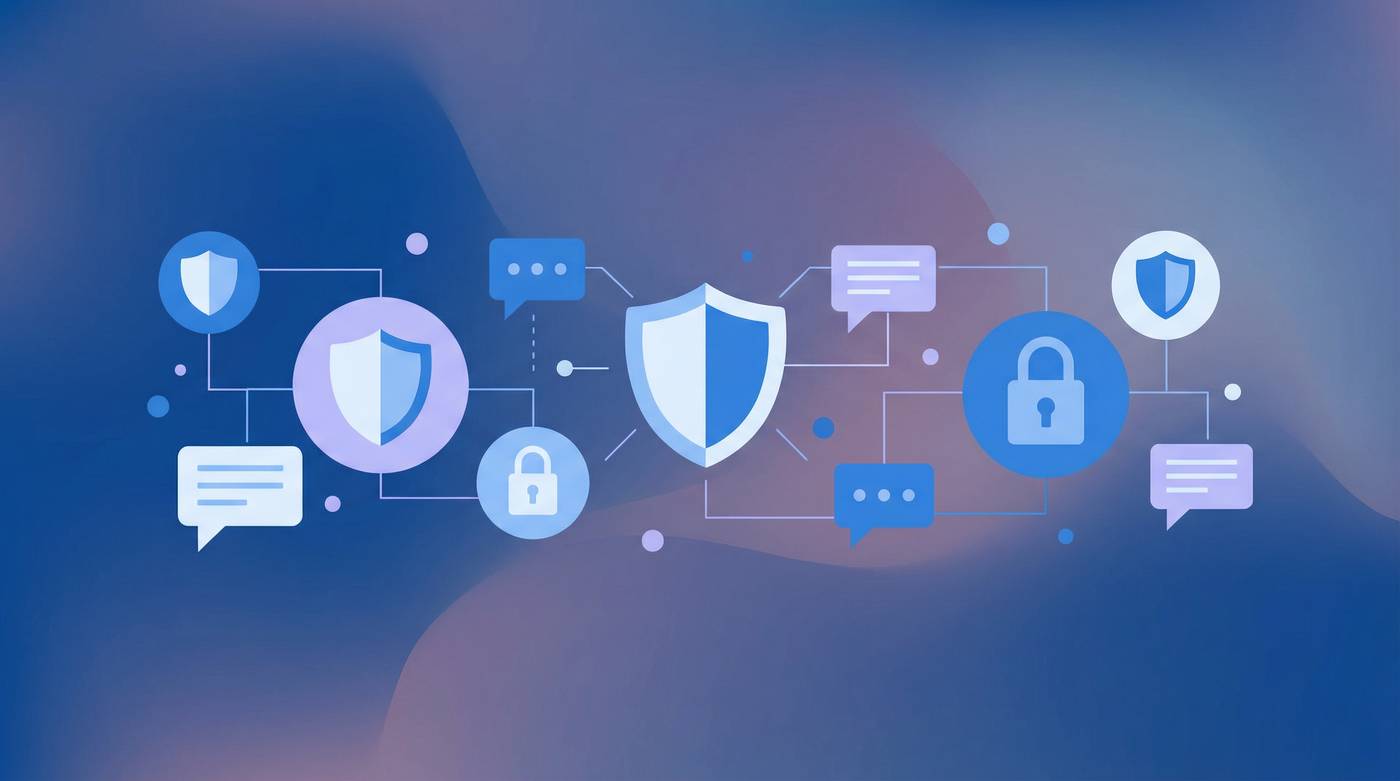
"隐私并非可选项,它是【signal官网】运作的基础。每一条消息,每一次通话,无一例外。"
社区互动的新方式
通过听取社区的反馈,我们引入了全新的加密贴纸功能。现在您可以:
- 使用默认的生动贴纸包表达情感
- 创建并分享您自己的个性化贴纸
- 所有贴纸在传输过程中均被完全加密
加入我们,共同成长
【signal官网】是一个由用户支持的非营利组织。我们没有广告,也没有追踪器。我们的发展完全依赖于像您一样重视隐私的人们的捐赠和支持。感谢您与我们一起,为建立一个更安全的数字世界而努力。